
Life Insurance Should Protect Your Family – Not Fund Fraud
You buy life insurance for one reason: to protect the people you love if something happens to you. Life insurance has become a target for fraud, and the people committing it aren’t always strangers. If you have a life insurance policy or plan on purchasing one, consider these common life insurance scams to watch for.
Life Insurance Scheme: Fake Agents Selling Fake Coverage
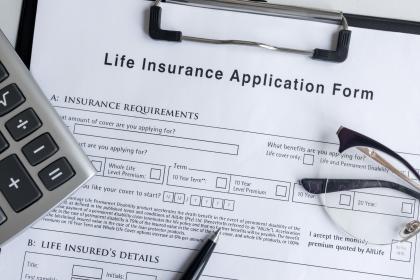
You may think you are doing the right thing finding an insurance agent and buying life insurance to protect your loved one. But like most fraud, it may not be what it appears. That agent might not be a licensed representative of a legitimate insurance company. Posing as a licensed insurance agent, they sell policies that don’t exist, then ask victims to pay premiums directly to them instead of an insurance company. This is one of the most common life insurance agent scams reported to state regulators.
Steps to take:
- Verify the company – Check to see if the company on the policy is legitimate, and the agent is authorized to write for that company.
- Confirm your agent – Make sure the individual is currently licensed and authorized to sell with that insurance company. Agents previously selling for a company may attempt to use expired credentials. Contact your state’s Department of Insurance, listed by the National Association of Insurance Commissioners' directory.
- Send your premium payments directly to the insurance company - Most insurance companies do not allow their agents to accept payments.
- Set up your online account - Make sure all the information is correct from your coverage amount to the listed beneficiaries and any premium payment you made is applied.
Life Insurance Fraud: Account Takeover
This scheme is carried out by anyone who gains access to a policyholder’s personal information, most often to change who’s listed to receive the policy payout without the policyholder’s knowledge. Family members, caregivers, and even funeral directors have been identified as perpetrators, along with cyber criminals who may obtain your sensitive information through data breaches or phishing. Older adults are especially vulnerable, since they are more likely to depend on others for help managing their policies.
Take these steps:
- Access your online account regularly - Review your policy’s beneficiary and contact information.
- Guard your account details - Be cautious about who has access to your account, especially if you or a loved one depends on someone else for help with paperwork or care.
- Be wary of requests and inquiries - Treat requests for personal information about your insurance, whether by phone, email, or in person, with the same caution you’d have for your financial accounts.
- Complete an annual review - Review your coverage and policy details annually with your agent or your insurance company to make sure you have the amount of protection you originally purchased and have the policy benefit directed to the beneficiaries you expect.
How NICB Fights Life insurance Fraud
Tracking Schemes
NICB monitors how life insurance fraud evolves, drawing on intelligence from law enforcement, member companies, and industry partners. This analysis helps us recognize new patterns early, including fraud rings expanding from other types of insurance fraud into life insurance. We share what we learn to help the industry respond faster.
Partnering to Investigate and Build Cases
When NICB suspects fraud, our experienced agents work with local, state, and federal law enforcement, providing intelligence and industry connections that help bring cases to prosecution and hold perpetrators accountable. NICB can also help verify foreign death certificates.
NICB Early Success in the Fight Against Life Insurance Fraud
NICB assisted law enforcement with an investigation into an organized group that used false identities to collect life insurance payouts over several years. The case led to 23 people being charged in a scheme that allegedly defrauded insurers out of more than $26 million. This one case shows the cost of life insurance fraud and why you need to stay diligent when buying and maintaining your life insurance protection.
Life Insurance Fraud Frequently Asked Questions
What is life insurance fraud?
| Life insurance fraud is any intentional deception used to obtain a policy, inflate a payout, or file a false claim under a life insurance contract. It can be committed by policyholders, beneficiaries, agents, or even insurance companies that are not legitimate. |
|---|---|
Is faking your own death for life insurance illegal? | Yes. Faking your own death to collect a life insurance payout is a serious crime, typically charged as insurance fraud. |
What is "stranger-originated life insurance" (STOLI)? | STOLI is a practice where investors with no personal or financial relationship to the insured person arrange for a life insurance policy to be taken out on that person's life, intending to sell the policy to investors who profit when the insured dies. Sometimes the insured is involved and offered incentives or payments, while other times the insured is completely unaware of the policy. |
What are the most common types of life insurance fraud? | The most common forms include lying on an application, faking a death, altering policy beneficiaries to divert benefits from other intended heirs, diverting premium payments instead of forwarding them to the insurance company, and STOLI schemes where policies are purchased by people or groups with no insurable interest. |
How do I know if a life insurance policy is legitimate? | Verify the policy directly with the insurance company using contact information found independently (not from the agent or documents provided), confirm the insurer and agent are currently licensed in your state through your state insurance department, and check that policy numbers and terms match what the company has on file. You can also request a certificate of good standing or verify the company through the NAIC's licensing database. |
How do I check if an insurance agent is licensed? | Most state insurance departments offer a free online license lookup tool where you can search by the agent's name or license number. The National Association of Insurance Commissioners (NAIC) also maintains a national producer database that can help verify licensing status across states. |
| How do I verify a life insurance company is real? | Check that the company is licensed in your state through your state insurance department's website, confirm its financial strength rating through agencies like A.M. Best, Moody's, or Standard & Poor's, and search the NAIC's Consumer Information Source for complaint history and regulatory actions. |